
Introduction
Respiratory health is one of the most common concerns in modern life. Seasonal changes, pollution, and lifestyle stress often lead to sore throats, coughs, and breathing discomfort. Ayurveda has long relied on mulethi powder (licorice root, Glycyrrhiza glabra) as a trusted remedy for throat and lung wellness. Known as Yashtimadhu in Sanskrit, mulethi is sweet, soothing, and packed with bioactive compounds that calm irritation, reduce inflammation, and support clear breathing.
This article explores how mulethi powder promotes respiratory wellness, blending traditional Ayurvedic wisdom with modern scientific research.
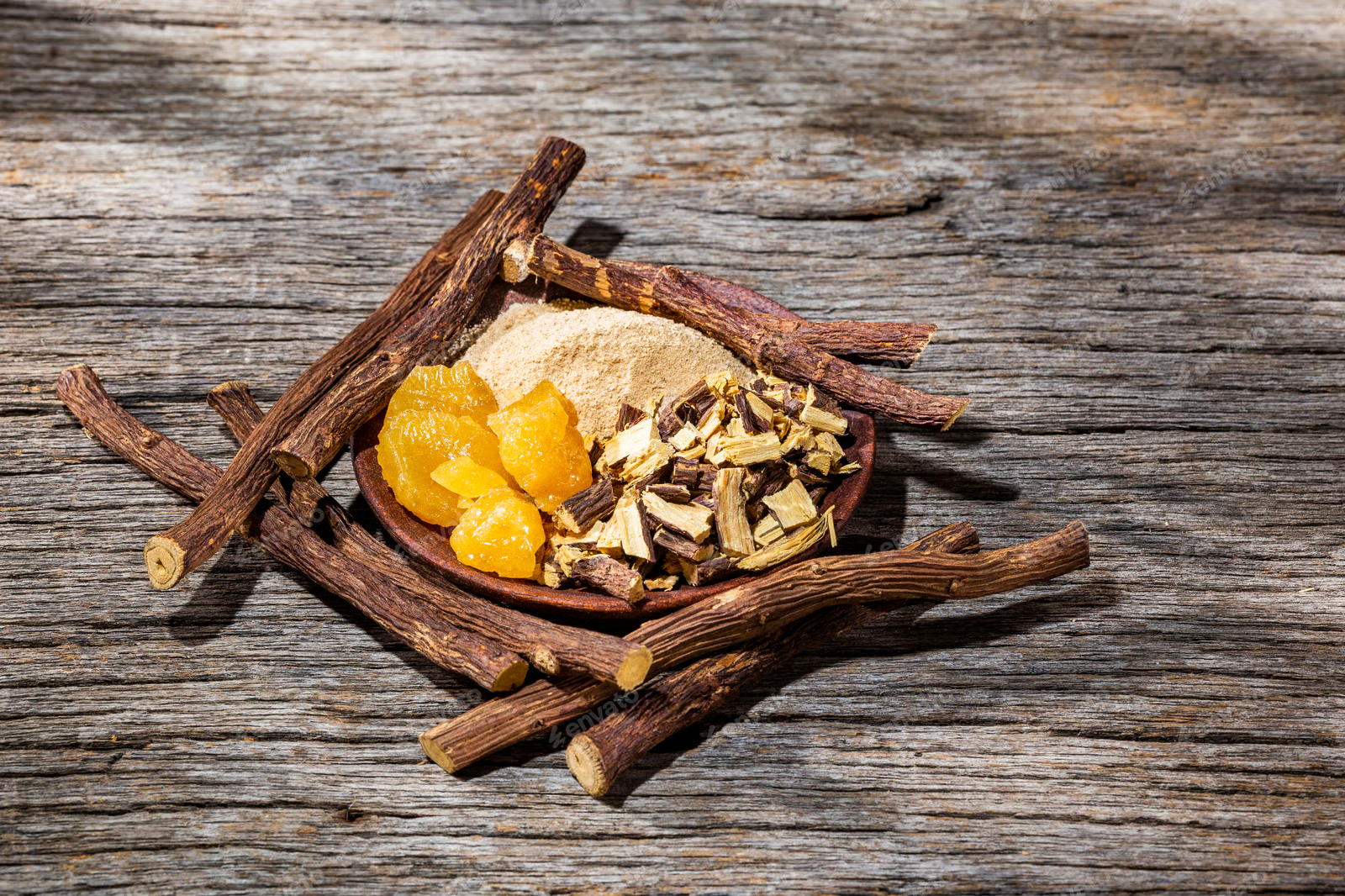
Mulethi in Ayurveda: The Voice & Throat Herb
Ayurvedic texts describe mulethi as Kanthya — beneficial for the throat and voice.
Soothes sore throat: Its natural sweetness and mucilage coat the throat, reducing dryness and irritation.
Improves vocal clarity: Traditionally used by singers and speakers to maintain voice quality.
Balances Kapha dosha: Helps clear excess mucus and phlegm from the respiratory tract.
For centuries, mulethi has been included in herbal formulations for cough syrups, kadhas, and throat lozenges.



Natural Relief for Coughs
Coughs can be caused by infections, allergies, or environmental irritants. Mulethi provides gentle yet effective relief:
Expectorant action: Helps loosen mucus and clear airways.
Anti‑inflammatory properties: Reduces irritation in the throat and bronchial passages.
Antimicrobial effects: Active compounds like glycyrrhizin fight bacteria and viruses.
A simple home remedy: Mix mulethi powder with honey and warm water — a soothing blend for dry coughs.
Sore Throat Comfort
Mulethi is one of the most popular Ayurvedic remedies for sore throats.
Coats the throat lining: Provides a protective layer against irritation.
Reduces pain and swelling: Its anti‑inflammatory compounds calm inflamed tissues.
Hydrating effect: Keeps the throat moist, preventing dryness.
Many Ayurvedic throat lozenges and herbal teas feature mulethi as the star ingredient.


Respiratory Conditions & Bronchial Health
Beyond everyday coughs, mulethi supports broader respiratory wellness:
Bronchitis relief: Helps reduce inflammation in the bronchial tubes.
Asthma support: Calms spasms and eases breathing (used traditionally, though medical supervision is advised).
Seasonal allergies: Mulethi’s soothing properties help manage irritation caused by allergens.
Its gentle nature makes it suitable for long‑term use under Ayurvedic guidance.
Modern Scientific Research
Recent studies validate mulethi’s respiratory benefits:
Antiviral activity: Glycyrrhizin shows effectiveness against respiratory viruses in laboratory studies.
Anti‑inflammatory effects: Mulethi reduces cytokines like TNF‑α and IL‑1β, which drive inflammation in respiratory conditions.
Antimicrobial properties: Research confirms mulethi’s ability to inhibit bacteria linked to throat infections.
This scientific backing strengthens mulethi’s reputation as a natural respiratory ally.

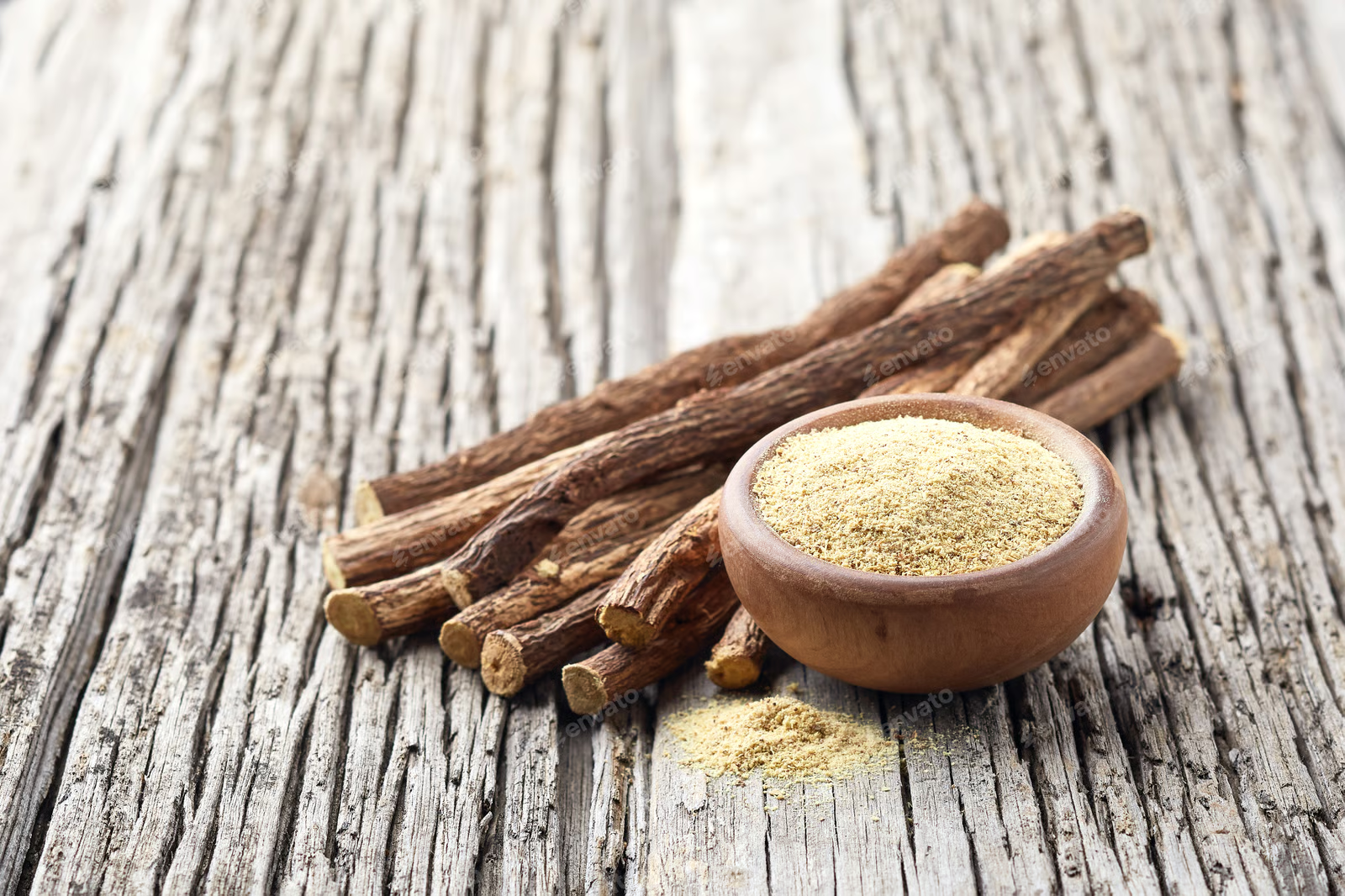
Practical Ways to Use Mulethi for Respiratory Wellness
Here are simple, practical methods to include mulethi powder in daily routines:
Mulethi Tea/Kadha:
Boil ½ teaspoon mulethi powder with tulsi, ginger, and black pepper.
Drink warm to relieve cough and sore throat.
Honey Blend:
Mix mulethi powder with honey.
Take a spoonful for dry cough relief.
Herbal Steam:
Add mulethi powder to hot water.
Inhale steam to clear nasal passages and soothe throat.
Throat Lozenges:
Mulethi is often combined with herbs like clove and cardamom in Ayurvedic lozenges.
Precautions & Safe Use
While mulethi is safe in moderation, overuse can cause side effects:
Possible risks: High blood pressure, water retention, low potassium levels.
Safe dosage: ½–1 teaspoon daily, or as directed by an Ayurvedic practitioner.
Avoid unsupervised use: Pregnant women, heart, and kidney patients should consult a doctor before use.
Cultural & Traditional Significance
In Indian households, mulethi is a staple during winter and monsoon seasons.
Singers’ remedy: Known as the “voice herb,” mulethi is used by classical singers to maintain vocal clarity.
Household kadha: Families prepare mulethi‑based teas during seasonal flu outbreaks.
Ayurvedic formulations: Found in churnas, syrups, and tablets for respiratory health.
Its cultural presence reinforces its credibility as a trusted herbal solution.