
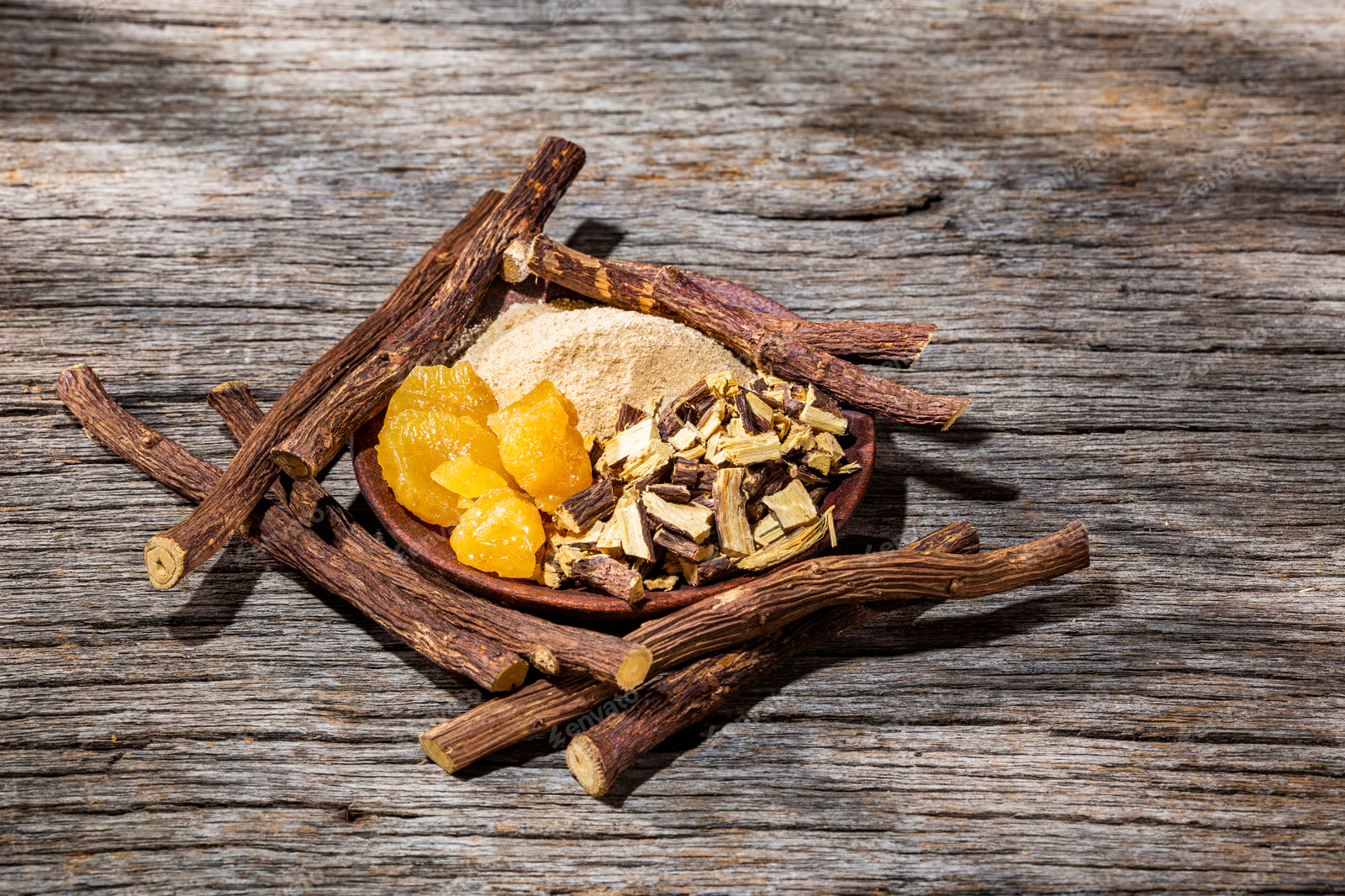
What is Mulethi Powder?
Trusted for centuries, crafted for today
Trusted for centuries, crafted for today
What is Mulethi Powder?
Origins & Names
Scientific Name: Glycyrrhiza glabra
Ayurvedic Name: Yashtimadhu
Common Names: Mulethi (Hindi), Jethimadh (Marathi), Adhimadhuram (Tamil), Licorice (English)
Family: Fabaceae
Native to Europe and Asia, widely cultivated in India.
Energy: ~375 kcal
Carbohydrates: 92 g
Protein: 0.8 g
Calcium: 12 mg
Iron: 0.2 mg
Contains glycyrrhizin, a compound ~50 times sweeter than sugar, plus flavonoids, saponins, and essential oils.
Ayurvedic texts classify mulethi as:
Deepana: Enhances digestive fire
Kashahara: Relieves cough
Rasayana: Rejuvenates the body, promotes longevity
Varnya: Improves complexion
Balya: Strengthens muscles and immunity
Kanthya: Improves voice and throat health
Respiratory Relief: Soothes sore throat, cough, bronchitis.
Digestive Support: Reduces acidity, indigestion, and ulcers.
Immunity Boost: Strengthens natural defenses.
Skin Care: Lightens pigmentation, reduces acne marks, improves glow.
Stress & Vitality: Acts as a Rasayana herb, supporting energy and longevity.
Herbal Tea/Kadha: Brewed for cough and immunity.
Face Packs: Mixed with honey/turmeric for skin brightening.
Digestive Tonic: Taken with warm water for gut health.
Natural Sweetener: Used in recipes due to its mild sweetness.
Wash fresh mulethi roots.
Dry under sunlight for 7–10 days.
Grind into fine powder.
Sieve and store in airtight containers
Excessive use may raise blood pressure due to glycyrrhizin.
Not recommended for pregnant women, heart/kidney patients without medical advice.
Safe dosage: ½–1 teaspoon daily or as directed by an Ayurvedic practitioner.